
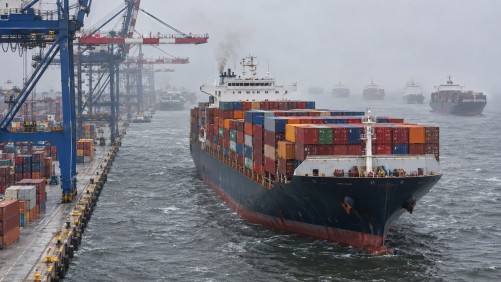
Global maritime trade is projected to stagnate in 2026, according to the United Nations, as geopolitical tensions, shipping disruptions, and rising transportation costs continue to strain international supply chains. The UN’s forecast comes as the industry grapples with ongoing conflicts affecting key shipping routes.
In 2025, maritime trade saw a modest growth of 1.9%, reaching approximately 12.3 billion tonnes. However, disruptions in strategic maritime passages are expected to limit any growth in the current year. The Strait of Hormuz, which is crucial for transporting around 20% of the world’s oil supply, has experienced a drastic reduction in maritime traffic, down by roughly 95% by early March due to regional instability.
Complications are not limited to the Strait of Hormuz; the Red Sea has also posed challenges, forcing shipping companies to reroute vessels around the Cape of Good Hope. This rerouting increases travel distances, fuel consumption, and operating expenses. Additional obstacles in the Black Sea, affecting grain shipments, and traffic problems in the Panama Canal have further exacerbated global trade issues.
The United Nations warns that these disruptions are driving up freight costs and creating uncertainty in shipping markets, placing additional pressure on supply chains, particularly in developing countries. The organization highlights that if these disruptions continue into 2027, higher fuel and transportation costs could result in rising consumer prices, especially impacting less-developed economies.
In response to these challenges, the UN has called for stronger international cooperation and improved port infrastructure. It emphasizes the need for better shipping preparedness and investment in modern maritime fleets. Governments and shipping companies have been urged to bolster supply chains and ensure the protection of maritime workers.