
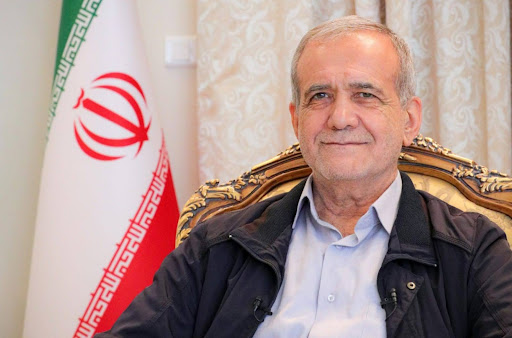
The Iran-US war has grown beyond its original boundaries, drawing in Gulf nations and prompting Iranian President Masoud Pezeshkian to issue a blunt territorial warning to regional neighbors. In a post on X, Pezeshkian called on Gulf states to stop letting the US and Israel direct military operations from their soil, warning that doing so threatens regional security and development. The message came as fighting entered its fifth week.
Countries like Saudi Arabia, the UAE, Qatar, Oman, and Kuwait have become ensnared in the conflict. American forces stationed in their territory have conducted strikes against Iran, while Tehran has retaliated with its own attacks in those countries. Gulf governments find themselves squeezed between their American security commitments and Tehran’s increasingly direct pressure.
Pezeshkian stated categorically that Iran does not initiate attacks but will retaliate forcefully when its economic or infrastructure sites are struck. His message to Gulf neighbors was straightforward: evict the enemy forces from your lands or face the ongoing risk of being caught in Iran’s retaliatory crossfire. The tone combined diplomatic appeal with a clear military warning.
Pakistan has taken on a growing diplomatic role in the crisis, with Prime Minister Shehbaz Sharif sharing that Pezeshkian believes trust must be built before formal negotiations can proceed. Tehran has praised Islamabad’s peace efforts, recognizing its unique position as a country with ties to multiple parties in the conflict. Pakistan’s foreign ministry has organized a diplomatic meeting with foreign ministers from Saudi Arabia, Egypt, and Turkey.
Pakistan’s Ishaq Dar will chair the talks and will also facilitate meetings with Prime Minister Sharif. The multilateral diplomatic initiative is the most structured effort yet to find a path out of the conflict. If the Islamabad meetings can produce an agreement on confidence-building measures, they may create the conditions needed for a broader ceasefire negotiation.