
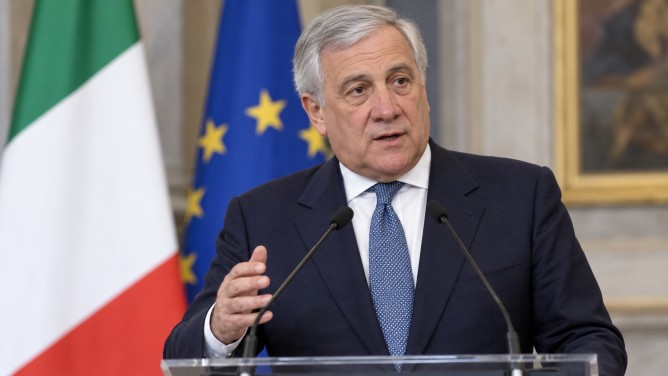
Italy’s government is poised to approve a 2027 budget plan that introduces an additional deficit of approximately €7 billion beyond its previously agreed target with the European Union. Deputy Prime Minister and Foreign Minister Antonio Tajani emphasized the need for greater fiscal flexibility to accommodate increased spending on defense and energy before submitting the proposals to Brussels for approval.
Economy Minister Giancarlo Giorgetti noted that Italy intends to request the maximum flexibility permissible under EU regulations, earmarking 0.6% of GDP for energy security and 0.9% for defense expenditures. This move comes as the government contends that heightened energy costs and expanded defense obligations necessitate additional fiscal leeway.
Prime Minister Giorgia Meloni has joined the call for more flexibility from the European Commission, citing the pressures of rising inflation. The European Commission has previously suggested that EU member states can already access additional flexibility within the bloc’s fiscal guidelines.
Italy’s next step involves formally submitting its spending proposals to Brussels, which will be a critical juncture in moving forward with the proposed budgetary adjustments. The Italian government continues to navigate the complexities of fiscal planning within the constraints and allowances of EU frameworks.