
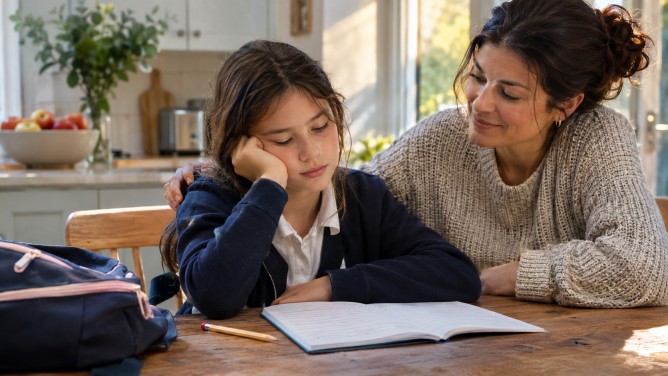
Frequent tiredness in children can be a sign of underlying health issues that parents should not ignore. While it’s common for kids to feel exhausted after a busy day, persistent fatigue may indicate problems such as nutritional deficiencies, emotional stress, or medical conditions.
One of the primary causes of childhood fatigue is inadequate sleep. Children require consistent, high-quality sleep for proper growth and development. Irregular sleep schedules, late bedtimes, and excessive screen time can disrupt their rest, leading to daytime sleepiness and difficulty concentrating.
Poor eating habits also contribute to tiredness in children. A diet lacking essential nutrients like protein, iron, and vitamins can diminish a child’s energy levels. Ensuring a balanced diet with fruits, vegetables, whole grains, and protein-rich foods is crucial for maintaining their vitality.
Moreover, an overloaded schedule filled with school, sports, and extracurricular activities can leave little time for relaxation, exacerbating fatigue. A balanced routine that includes adequate rest is essential for a child’s well-being.
Emotional stress and anxiety from academic pressure, bullying, or family changes can also manifest as constant tiredness. Children may not express their worries directly, so parents should foster open communication and provide a supportive environment.
In some cases, persistent fatigue might be linked to medical conditions such as anemia or thyroid disorders. If a child’s tiredness continues without a clear cause, consulting a pediatrician is advisable. Warning signs requiring medical attention include unusual weakness, frequent dizziness, persistent fever, or unexplained behavioral changes.
Parents can help improve their child’s energy levels through simple lifestyle changes. Establishing consistent sleep routines, providing nutritious meals, encouraging physical activity, and ensuring relaxation time are all effective strategies. If fatigue persists despite these efforts, seeking medical advice is important to protect the child’s health and development.