
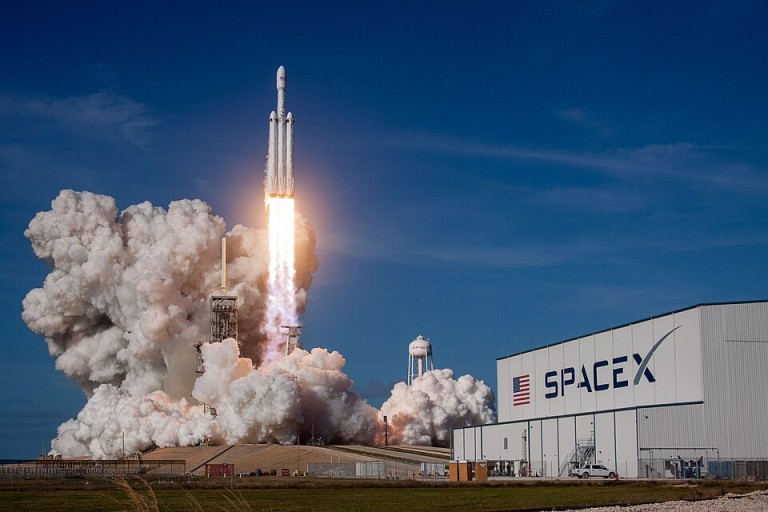
SpaceX is poised to make a splash in the stock market with its initial public offering, setting its IPO price at $135 per share and valuing the company at an impressive $1.77 trillion. The company aims to raise up to $75 billion, which would mark the largest IPO in history. This move could position SpaceX among the top echelons of publicly traded companies globally, while significantly boosting the wealth and influence of its founder, Elon Musk.
Post-IPO, Musk is anticipated to maintain over 80% of SpaceX’s voting power through his Class B shares, ensuring his continued leadership over the company’s strategic direction. Despite its substantial market valuation, SpaceX has yet to turn a profit, reporting an operating loss of $2.6 billion against revenues of $18.7 billion last year, with projections indicating continued losses until 2026. Nonetheless, investors remain optimistic about the company’s prospects in the realms of space exploration, satellite communications, and artificial intelligence.
The funds from the IPO are targeted to bolster SpaceX’s capabilities in rocket and AI infrastructure, enhance the Starlink satellite network, and support forthcoming missions to both the Moon and Mars. The company remains steadfast in its ambitious goal of establishing a permanent human settlement on Mars, a vision that has captivated the imagination of many.
Artificial intelligence forms a crucial component of SpaceX’s growth strategy, with the company identifying substantial opportunities in AI-driven technologies and infrastructure. These innovations are expected to become significant contributors to future revenue streams. The IPO, set to list on the Nasdaq under the ticker “SPCX,” could commence trading as early as next week, signaling a pivotal moment for public markets. This move might also encourage other prominent technology and AI companies to consider public offerings.